
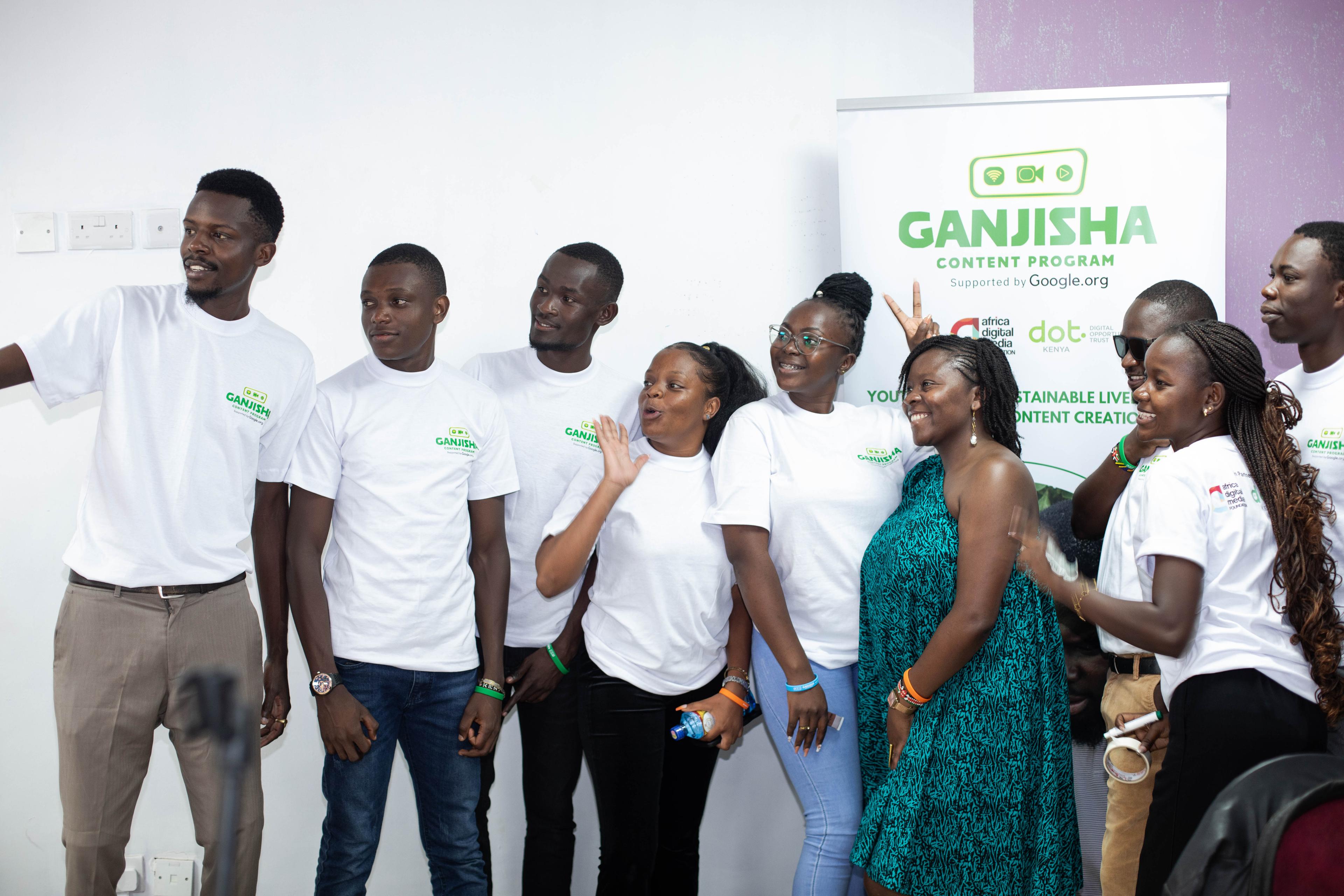
Powering Kenya's Creative Digital Generation
How 18 months of content-creation training, mentorship and community delivery equipped 7,837 young creators across all 47 counties with the skills, confidence and income pathways to thrive in the digital economy.
Prepared by Africa Digital Media Foundation & Digital Opportunity Trust Kenya · Supported by Google.org
Three organisations, one mission.
ADMF brought deep expertise in creative media and technology training, shaping the curriculum, technical skills modules and masterclass programme.
DOT Kenya contributed its proven model of youth-led, community-based delivery, mobilising 135 host organisations and 34 community leaders to bring the programme to every county.
Google.org's support made the programme possible, an investment in the conviction that digital skills can transform youth livelihoods at national scale.
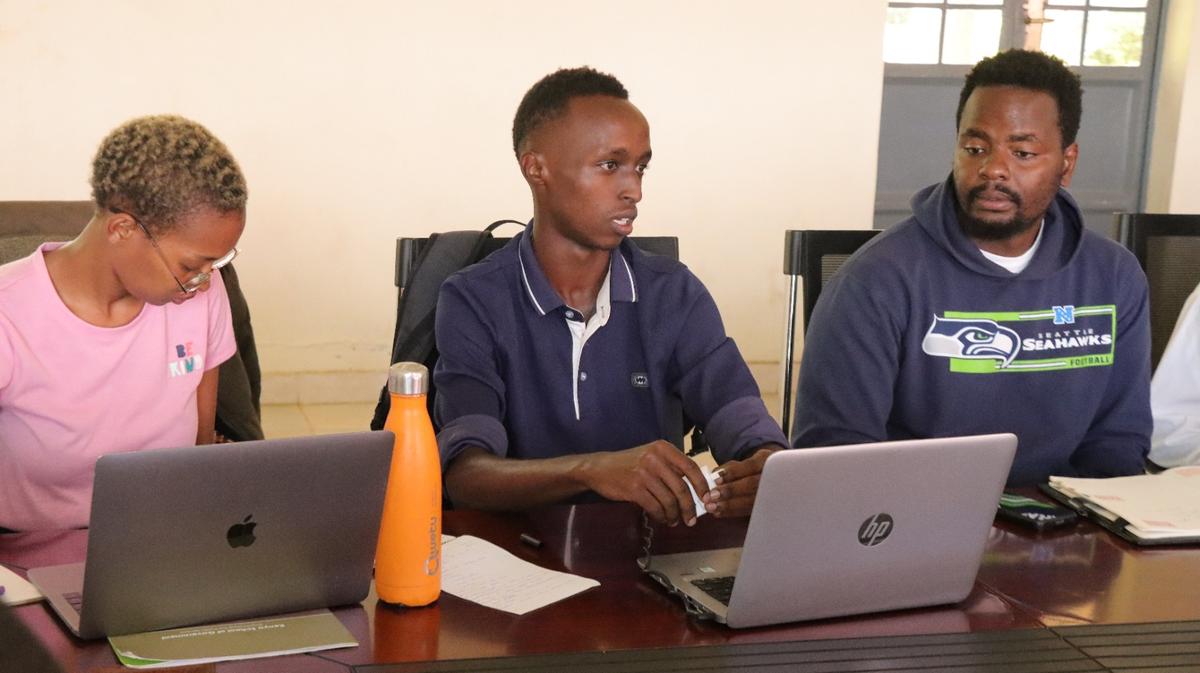
Decisive progress across every indicator.
Relevance
78% of participants rated the programme satisfied or very satisfied; only 3% reported dissatisfaction. Participants valued practical skills in video editing, graphic design, photography, Canva, CapCut and AI tools.
Effectiveness
Digital skills shifted decisively from basic to advanced: 85% now demonstrate intermediate or advanced skills, up from just 7%. Confidence in content creation nearly doubled, from 46% to 75%.
Impact
Average monthly income from content creation tripled from KES 2,500 to KES 7,766. The proportion earning from content grew from 5% to 28%. Creators are selling digital products, freelancing, and winning brand and county-event contracts.
Sustainability
73% remain active creators, 90% continue using the skills gained, and 87% have influenced peers to pursue content creation. Community organisations are adopting the model, and a new alumni platform with Vumi gig-platform access extends support indefinitely.
Baseline to endline.
The endline evaluation measured change across digital skills, confidence, and income. Every indicator moved decisively.
All 47 counties.
Central, Rift Valley and Nyanza accounted for the largest share. North Eastern recorded just 59 participants, the clearest equity gap and a priority for any future phase.
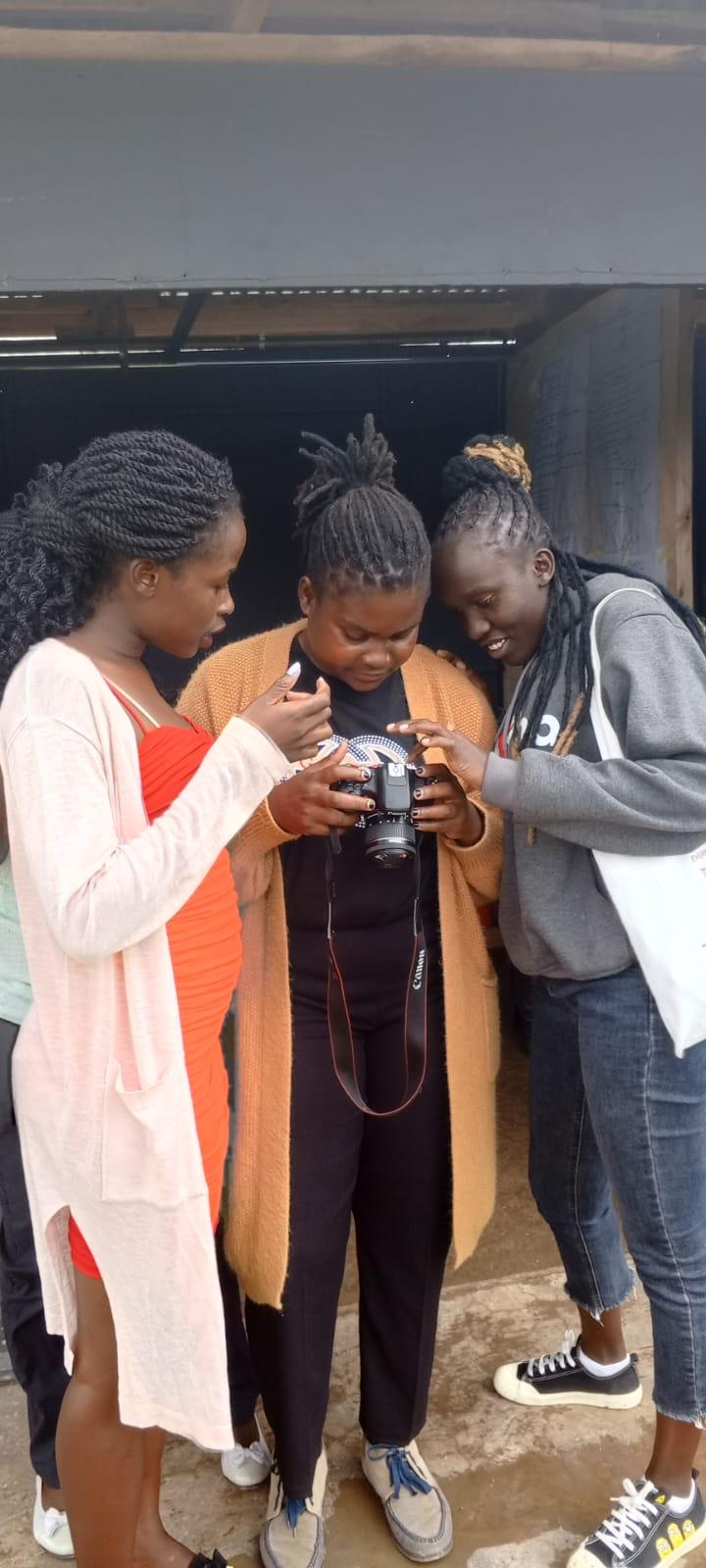
Behind every indicator, a story that changed.
The overwhelming sentiment at endline was gratitude, personal growth and a desire for continued learning, with many participants calling for a “Ganjisha 2.0”.
“After the training I went for a competition on video editing and I managed to be number one.”
— Participant — Skills & Recognition
“I appreciate being part of the program, it has helped me a lot in generating income. I got a chance to make a poster for the governor's event.”
— Participant — Income & Opportunity
“I have conquered the fear of posting. I feel confident addressing the camera. I can now teach others.”
— Participant — Self-Expression
“When I started content creation before the classes, I was very down… but since I got the knowledge I see myself a hero.”
— Participant — Confidence
“I have improved my income and I am employed full time due to the skills I got.”
— Participant — Employment
“I was able to build on the skills learnt and start out on academic writing. It has brought in a substantial income.”
— Participant — New Livelihoods
Built to outlast the project.
The endline evaluation found strong evidence that Ganjisha's impact will endure through continued practice, peer influence, institutional adoption, and a new alumni platform.
Community adoption
Community-based organisations are adopting the model independently. Community leaders continue mentoring young creators, and host organisations like Othaya Youth Empowerment Centre have formally requested to keep engaging youth beyond the project cycle.
Alumni platform & Vumi
ADMF and DOT built a digital alumni platform offering refresher videos, mentorship, employability and life-skills support, plus complementary access to the Vumi gig platform for creatives. Alumni will access aftercare indefinitely.
Government tailwinds
Kenya's $390M Digital Economy Acceleration Project and targeted broadband capital investment are expanding the infrastructure youth need to sustain their skills. The ICT Authority will incorporate this training under its programmes.
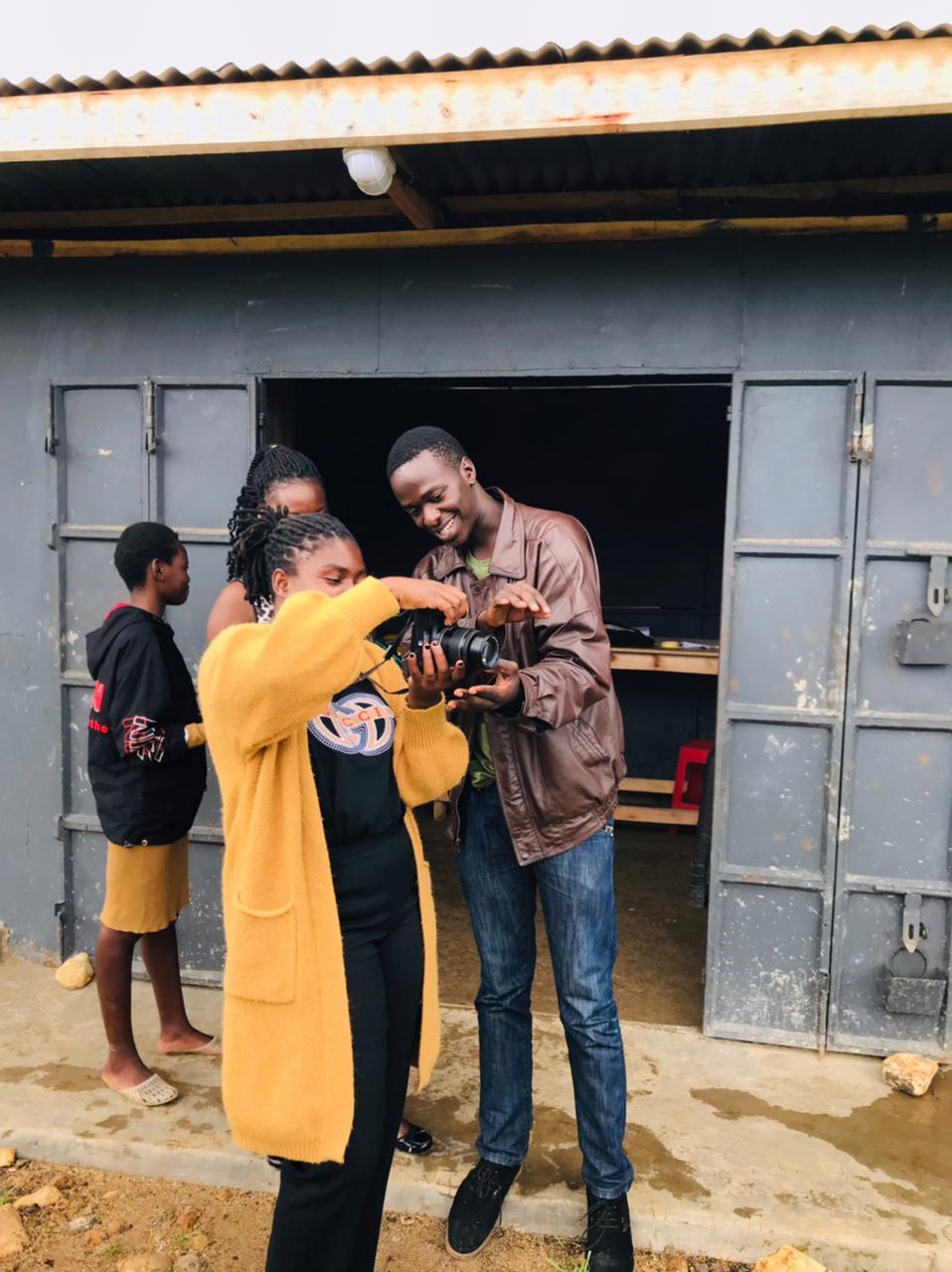
Ganjisha in action.
See the training, the communities, and the creators who made Ganjisha what it is.
Six lessons, one clear priority.
Participants and partners were consistent: closing the gap in devices and connectivity is the decisive factor in converting training into lasting livelihoods.
- 1Devices and connectivity are foundational. They determine whether skills are retained and applied or gradually lost.
- 2Duration matters: an extended programme of 8-12 weeks with refresher sessions outperforms short, intensive delivery.
- 3Training should be predominantly practical: at least 70% hands-on, with in-session access to tools and software.
- 4Logistical support (transport, childcare and allowances) sustains attendance, particularly among women.
- 5Local, accessible host organisations lower travel barriers and build genuine community ownership.
- 6Structured follow-up, mentorship and showcase opportunities sustain motivation and visibility beyond the training period.
Ganjisha proved that Kenya's young creators will seize the digital economy when given skills, confidence and community.
With the alumni platform live, the ICT Authority engaged, and a clear evidence-based roadmap, ADMF, DOT Kenya and Google.org invite partners to help take this proven model to its next chapter.
Delivered by



Supported by Google.org